
Veterinary advice
Practical advice from our specialists to help your pet feel safe before and after surgery.
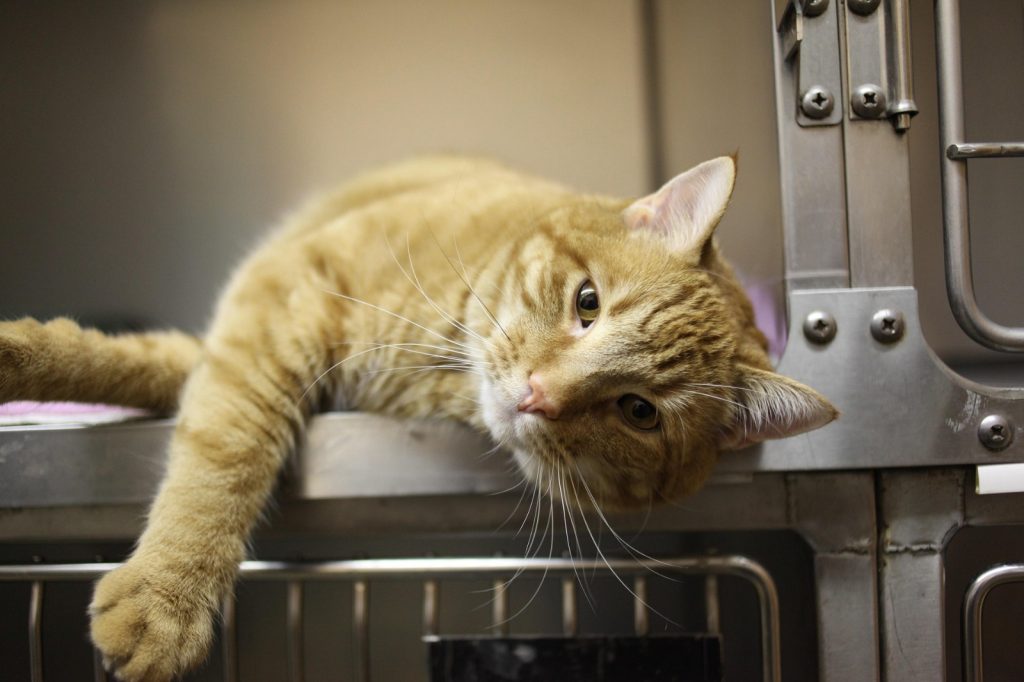

Pet neutering or spaying
Before surgery
- Your pet must be vaccinated and clinically healthy.
- Do not feed your pet for 12–18 hours before surgery
- Do not give water for 2–4 hours before surgery.
After surgery
After surgery, animals are discharged only once their condition following anaesthesia is stable.
If circumstances require you to collect your animal while it is still under anaesthesia, you may do so only after signing a document acknowledging the risks and accepting responsibility for any consequences of taking home an animal that is still anaesthetised.
- Keep your pet a safe distance from stairs and other hazards.
- After surgery, animals may appear confused, wander in search of a more comfortable place, or behave as though they are in unfamiliar surroundings. If your pet falls asleep, avoid disturbing it, as its response to fear may be unpredictable after anaesthesia.
- Reduce physical exertion and activity for 3–5 days after surgery.
- Offer food 12 hours after surgery.
- Water should be available. However, if drinking or eating increases vomiting, remove the water and food for a further 12 hours.
Caring for the surgical wound
- Prevent your pet from licking or biting the surgical wound. If it does this persistently, use an Elizabethan collar.
- If a scab forms on the wound, clean it with 3% hydrogen peroxide and disinfect the wound with iodine or brilliant green solution.
- The external stitches are made of absorbable material, which disappears in approximately 30 days. If they cause your pet considerable discomfort, they can be removed 10–14 days after surgery.
Signs that may occur
- Vomiting and diarrhoea, which should resolve within 12 hours.
- Slight swelling or bruising around the incision, which may appear after 12–24 hours.
- Reduced appetite for 24–36 hours after surgery.
Warning signs
- Drowsiness, slowed responses and breathing, and an inability to stand that worsen over a full day after surgery.
- Loss of appetite on the third day after surgery.
- Incision-site bleeding, which becomes heavier.
When to contact a veterinarian
- If a cat the third day or a dog by the fifth day after surgery has not resumed eating normally.
- If your pet the third day is unusually lethargic after surgery and does not respond to you.
- If your pet has difficulty urinating or defecating for more than two days after surgery.
Veterinary advice — important!
After surgery, changes in reproductive hormone levels may increase an animal’s tendency towards obesity and urinary tract disease.
If your pet’s diet consists mainly of commercial dry food, its daily portion MUST BE CONTROLLED. Unrestricted feeding harms your pet’s health, shortening its life and the time you can spend together.
If you have any questions or concerns after surgery, ALWAYS contact a veterinarian!